Vineyards & Winery
THE WINERY
OUR WINERY
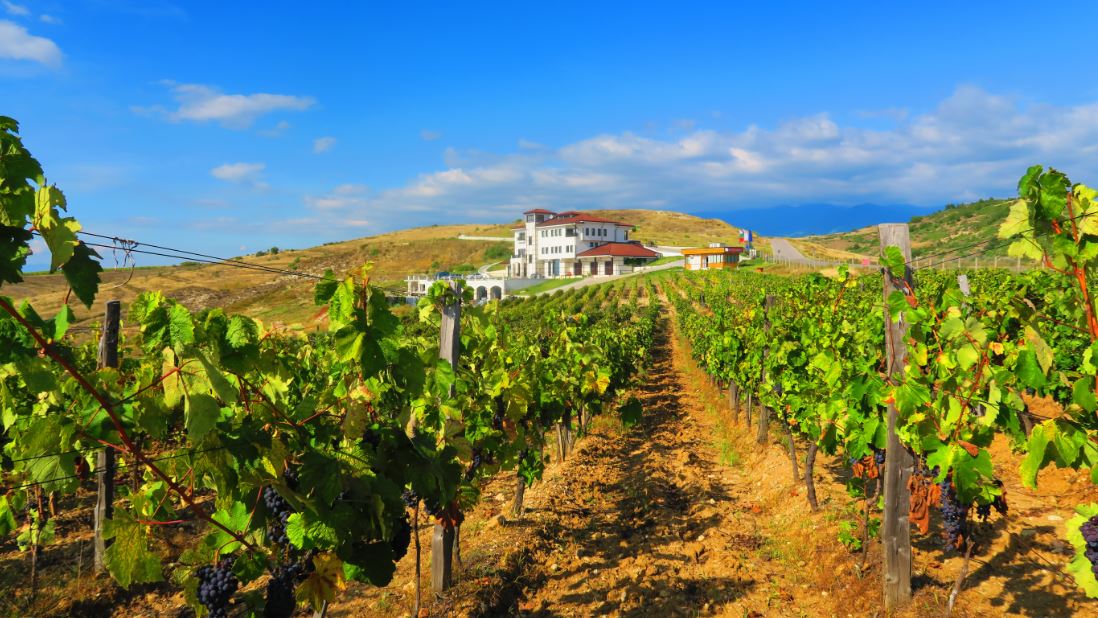
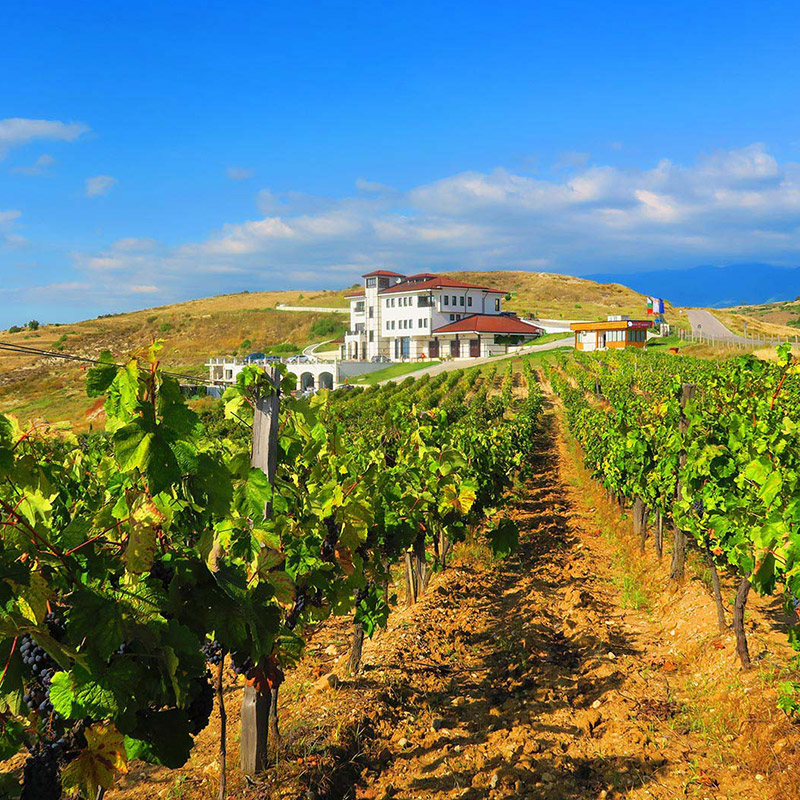
Our new, modern winery opened doors in the spring of 2013. Thus, we began to write our modern legend.
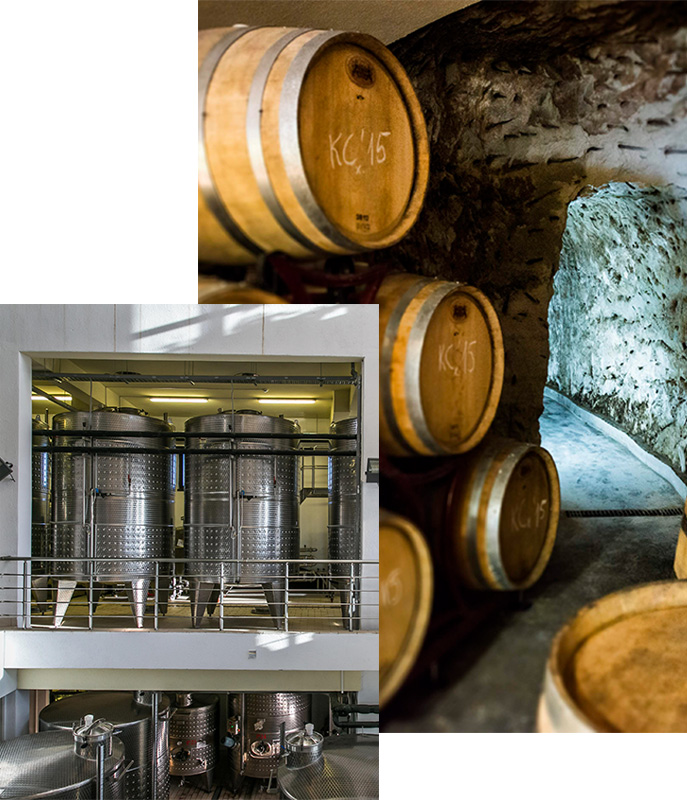
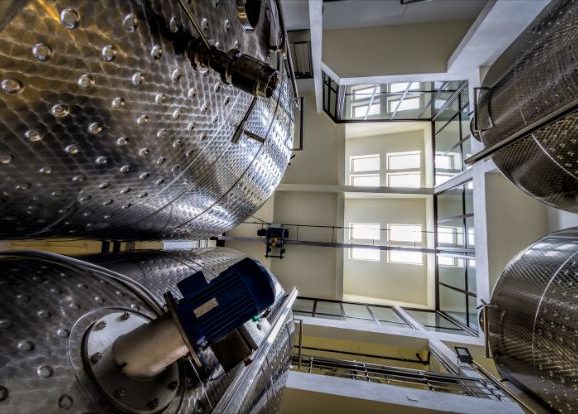
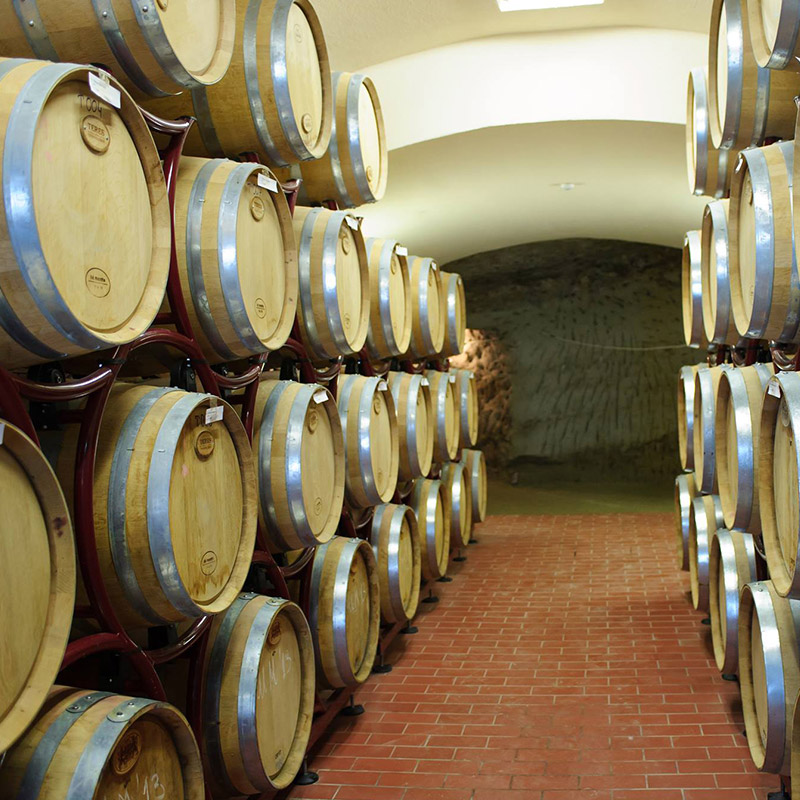
Our winery’s capacity is 250 tonnes of grapes per year. It is built on three levels, and the cellars are dug into the sandy hill. The wine-making process is organized so that the flow of the wine moves by the force of gravity through the three levels of the building. In addition to being extremely energy efficient, this method allows us to treat the wine gently, without putting unnecessary stress on the grapes, and maintaining the wine’s natural structure.
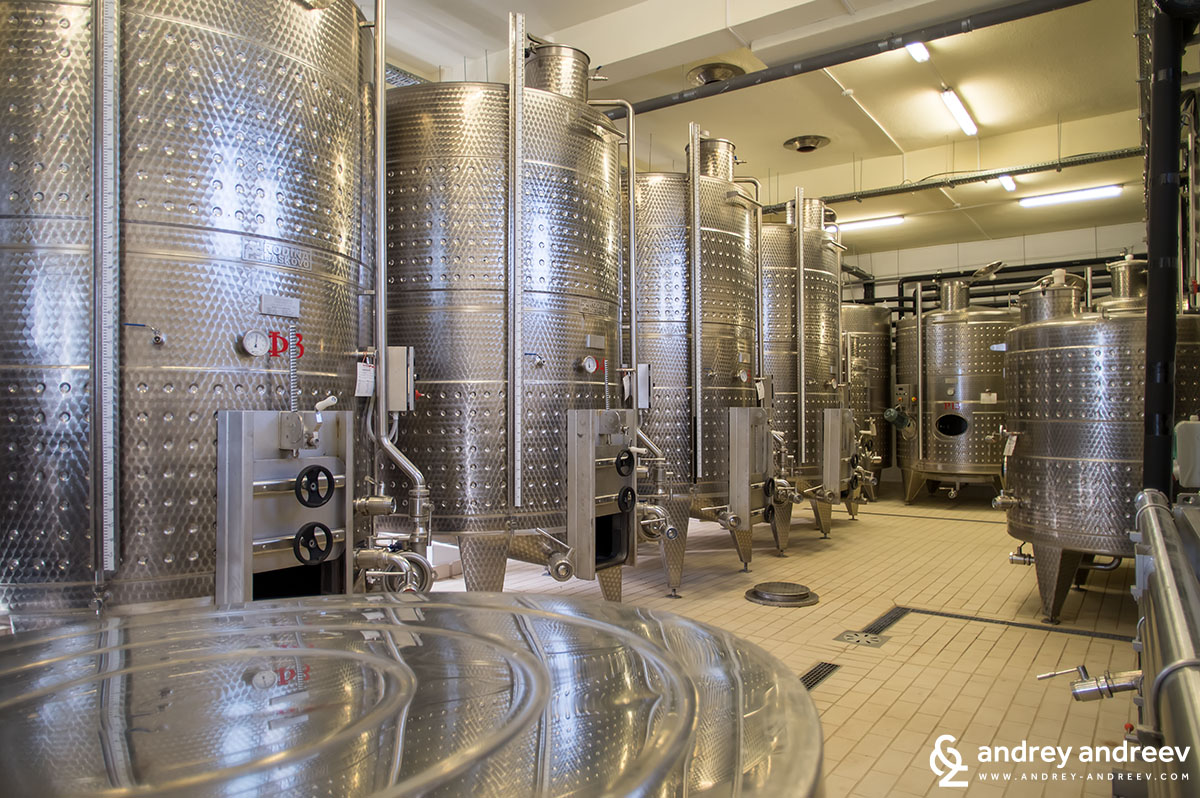
The winery is equipped with state-of-the-art vessels from leading Bulgarian and international producers. Our stainless steel fermenters vary in capacity from 100 liters to 10 tonnes. We have a pneumatic wine press with a central membrane and a fully automatic bottling machine with a 600 bottles per hour capacity. Our winery has a modern laboratory where we analyse the grapes and the wine.
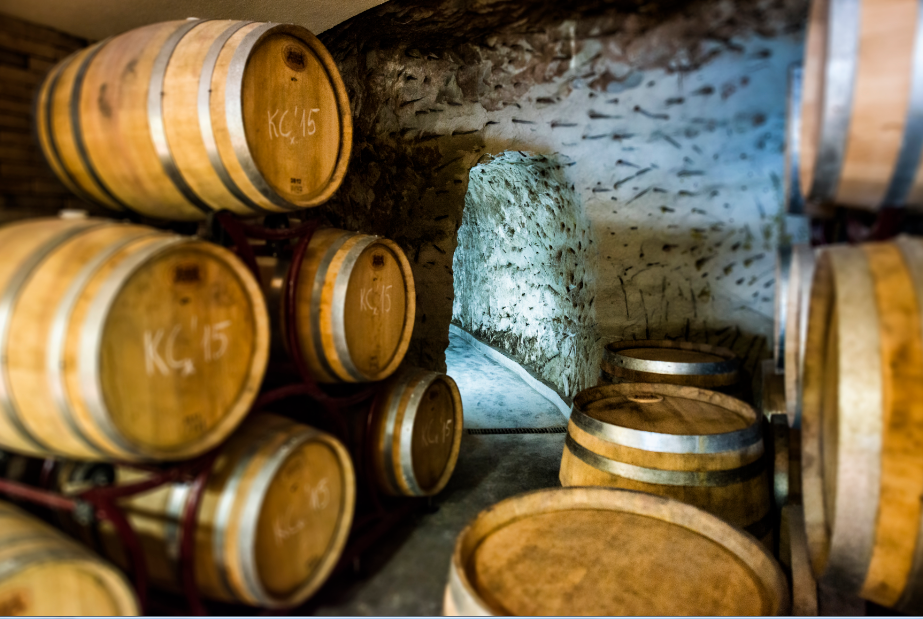
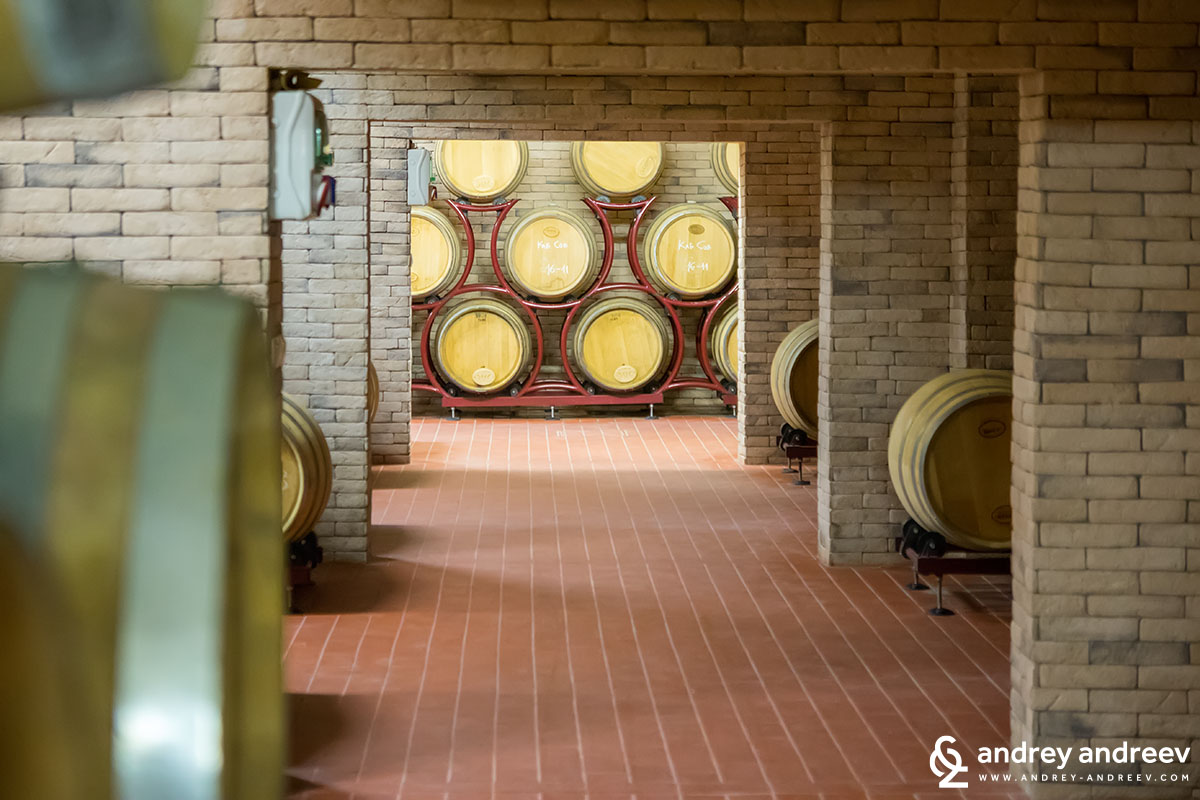
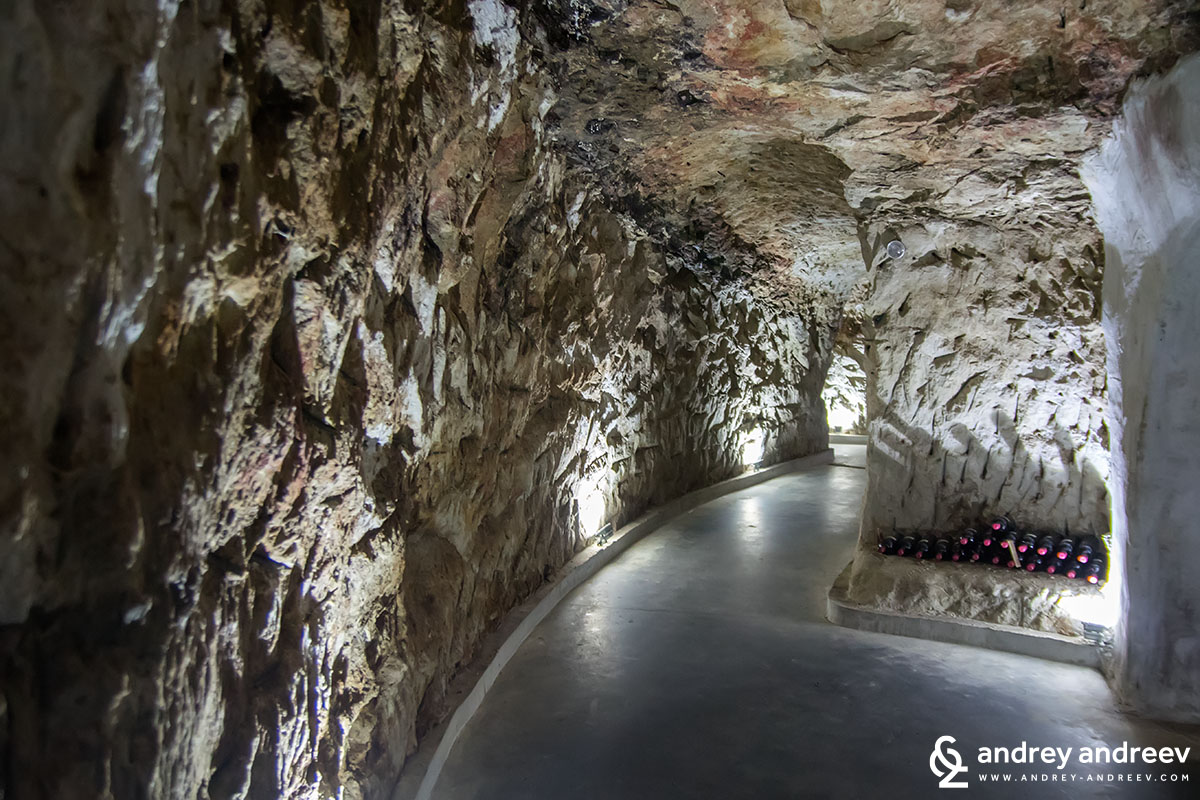
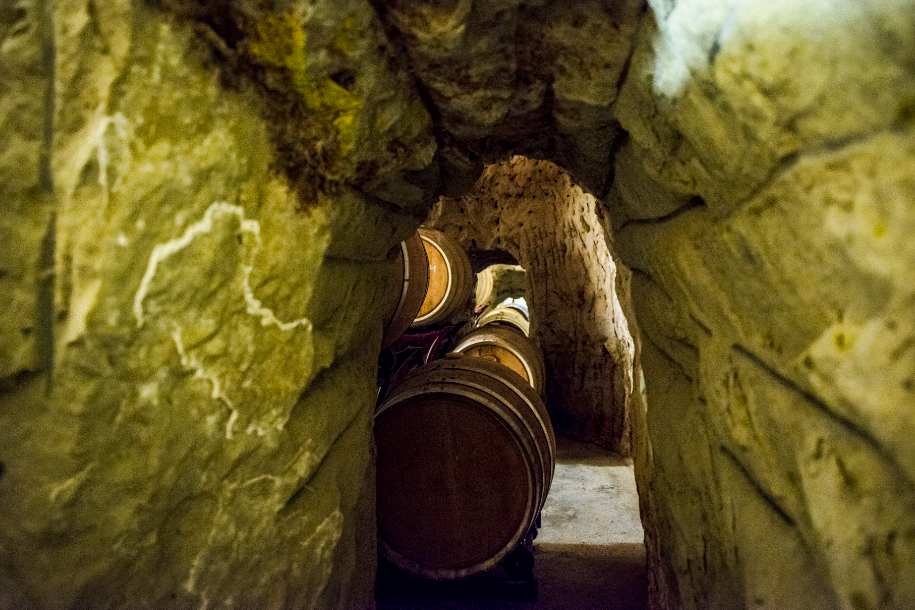
The aging of our top wines takes place in underground cellar-tunnels, which go deep into the sandy hill behind the winery. These tunnels maintain constant temperature and humidity throughout the year.
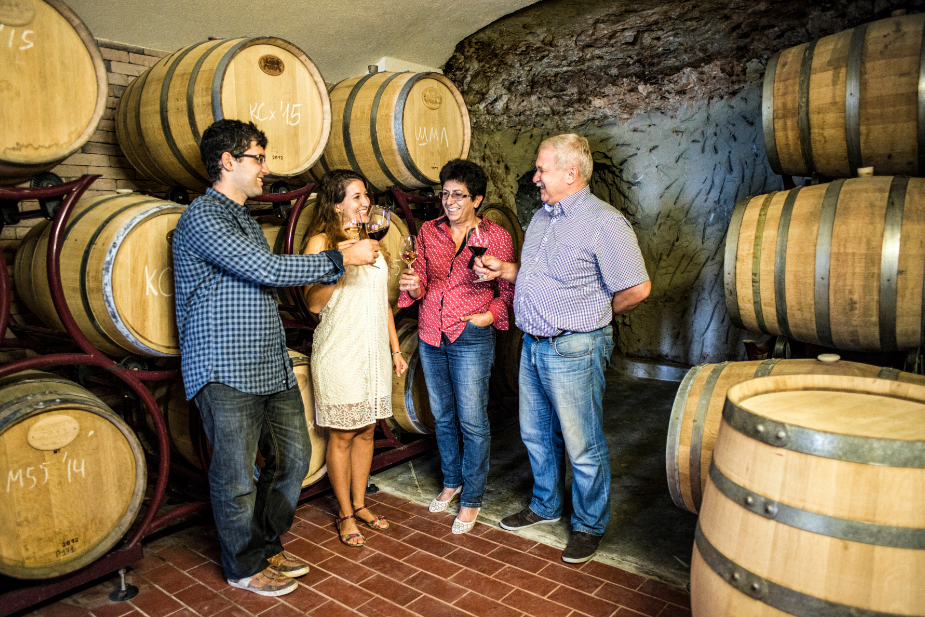
All winelovers can enjoy our wines and the gorgeous views from our tasting room.
Take a 360° Virtual Tour of Villa Melnik!
Immerse yourself in a captivating 360-degree virtual experience that will take you to the heart of Villa Melnik – one of the most impressive wineries in Bulgaria.
THE VINEYARDS
Villa Melnik continues a family tradition of vine growing and wine making with over two centuries of documented history. There is a document in our family archives, which shows that two hundred years ago, our great-great-grandfather owned vineyards in the area.
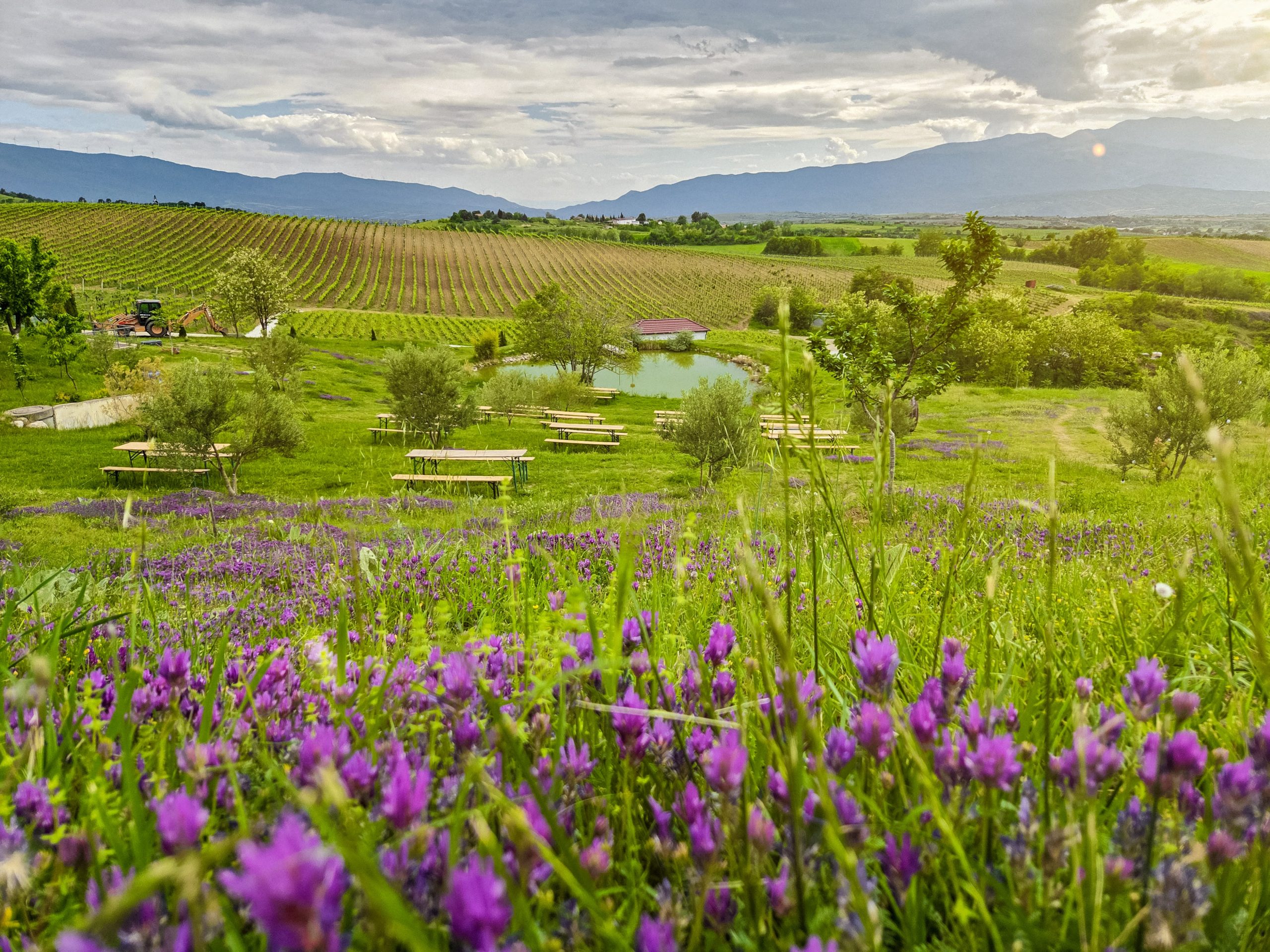
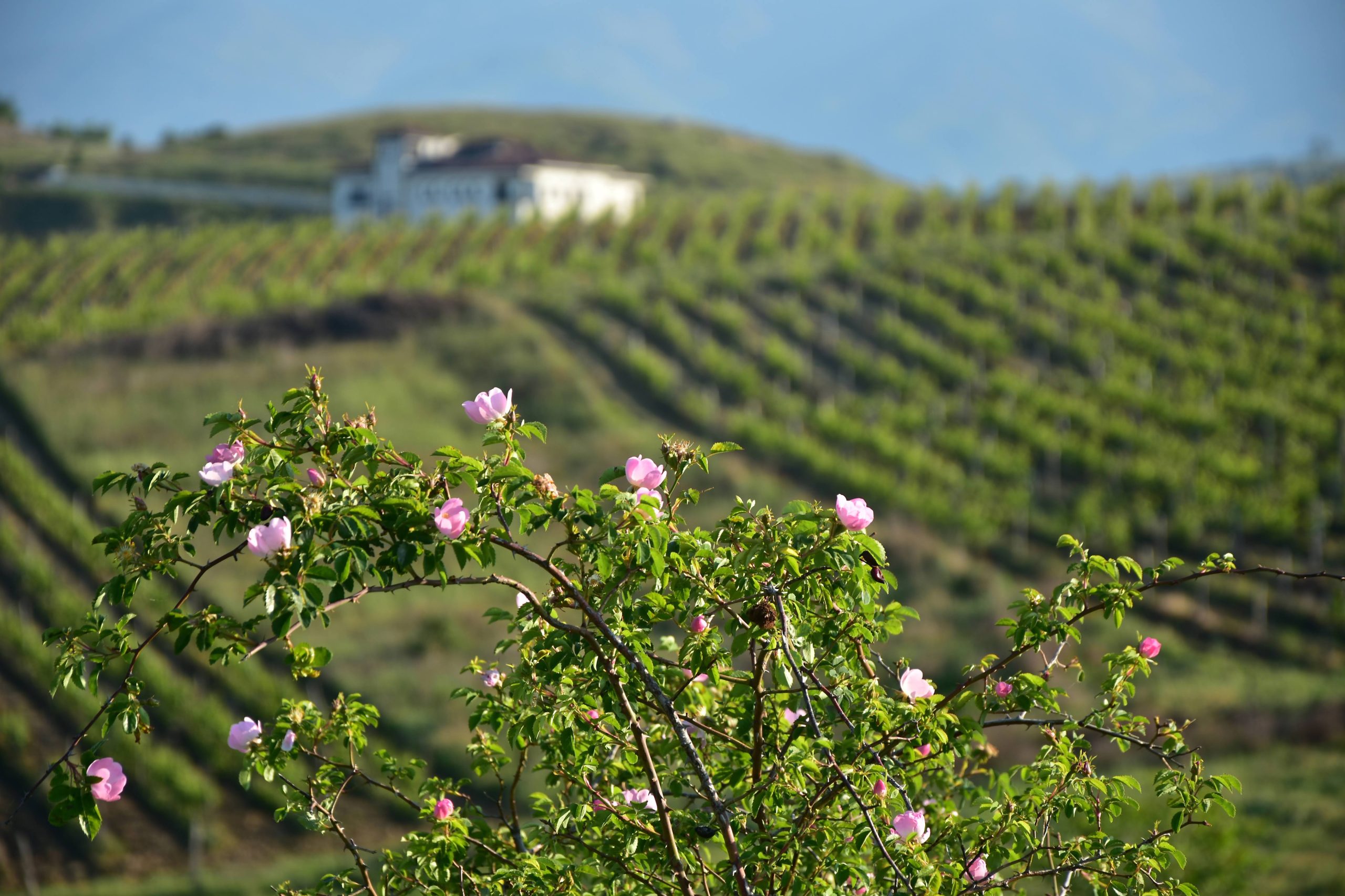
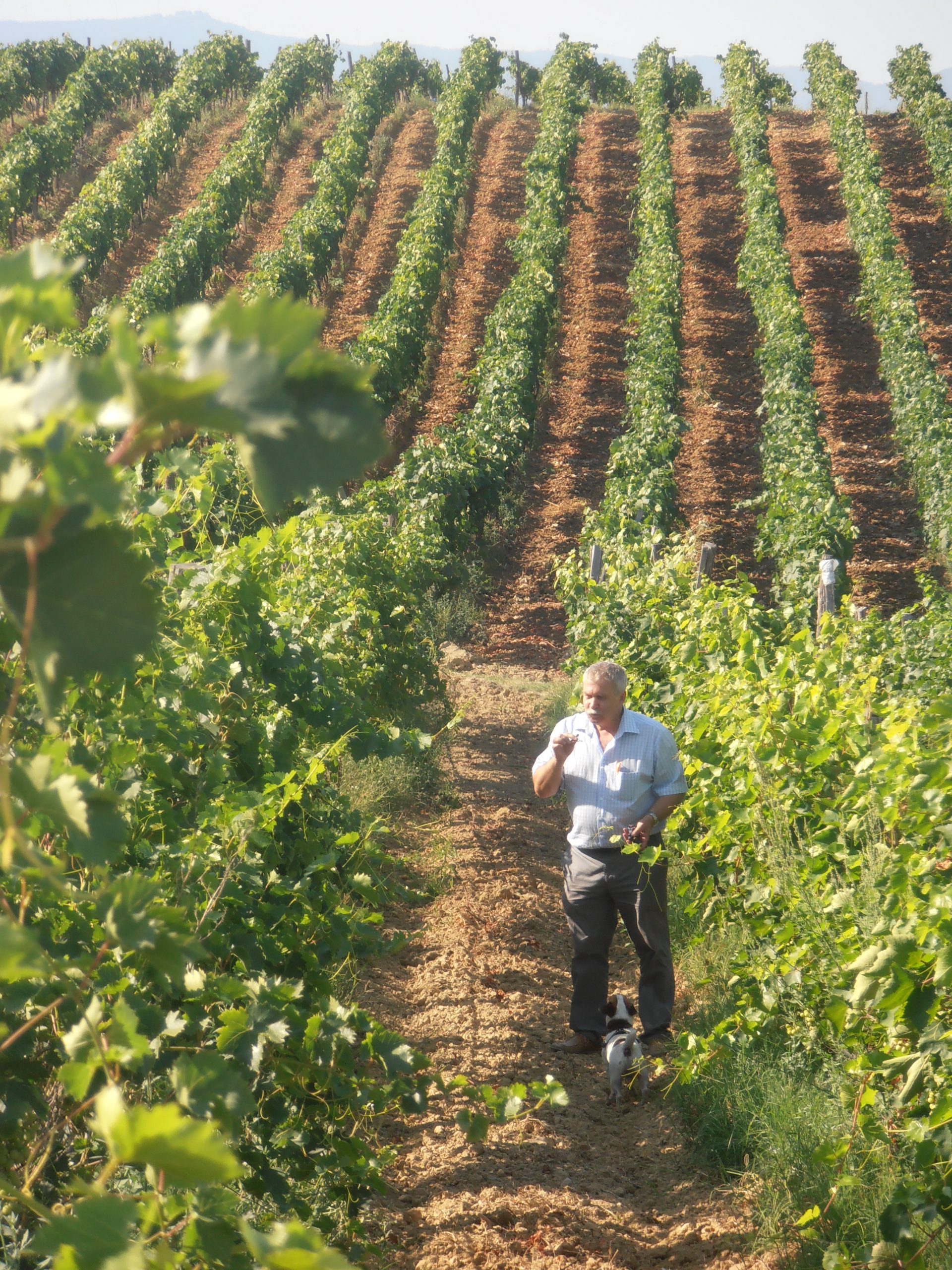
Our vineyards are situated in two massifs around the town of Melnik – the iconic wine capital of Bulgaria, which is present in all world encyclopaedias of wine. About 20 hectares are situated in the area Mindalo near the village Vinogradi. Our other plot, 10 hectares, is situated in front of the winery, in the area known as Beli Breg, adjacent to the village of Harsovo, which is famous among all winelovers in Bulgaria.
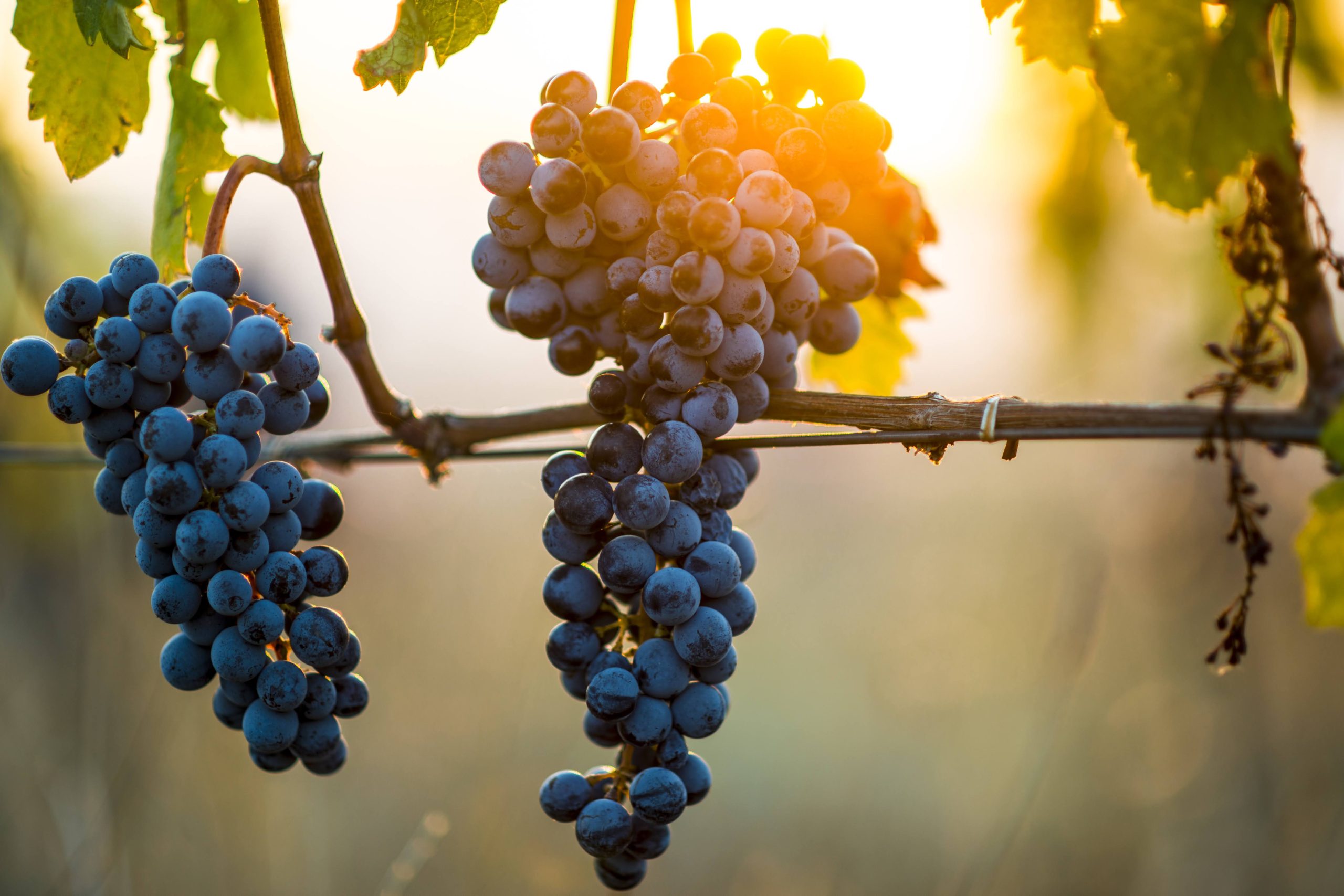
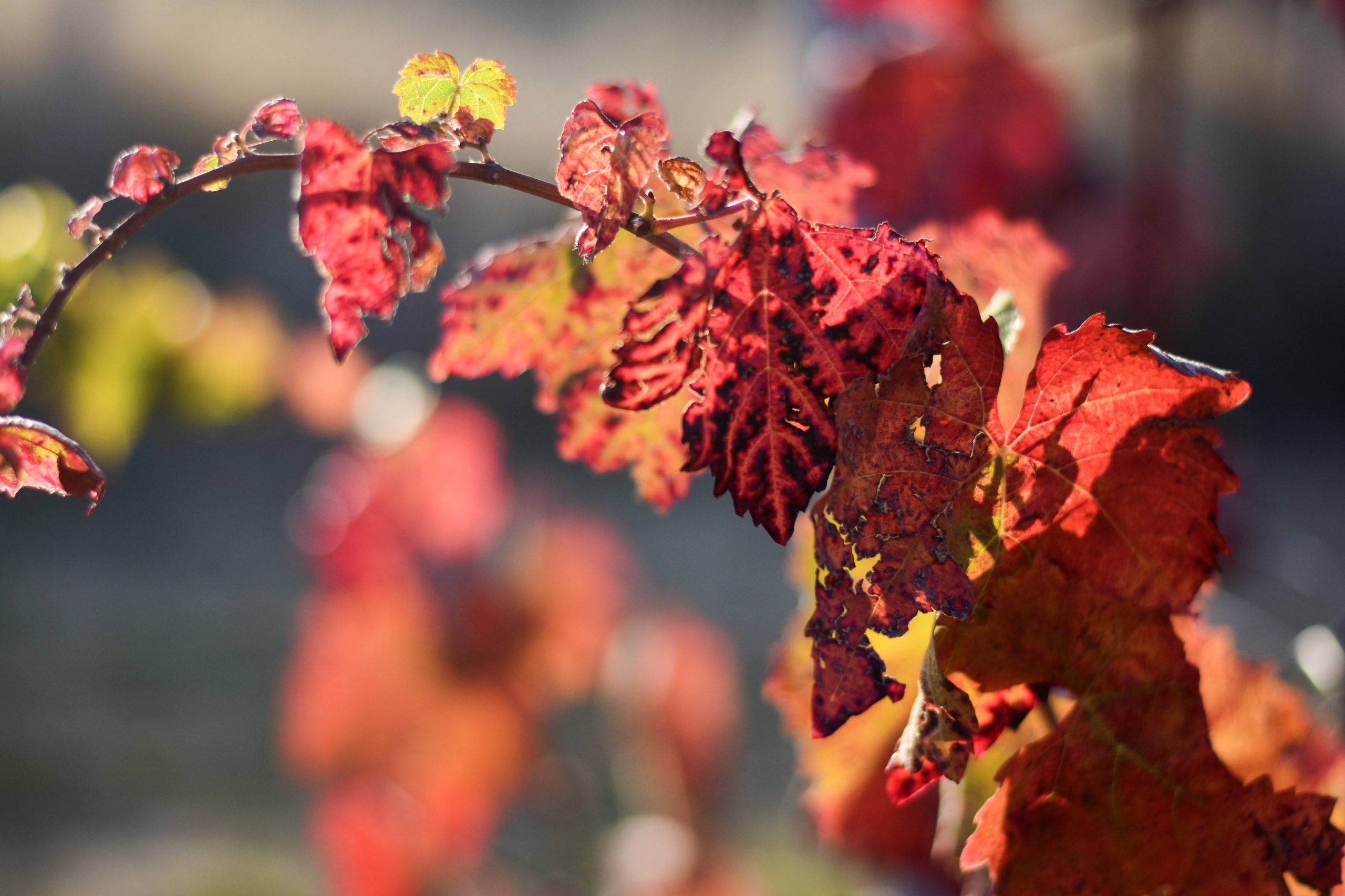
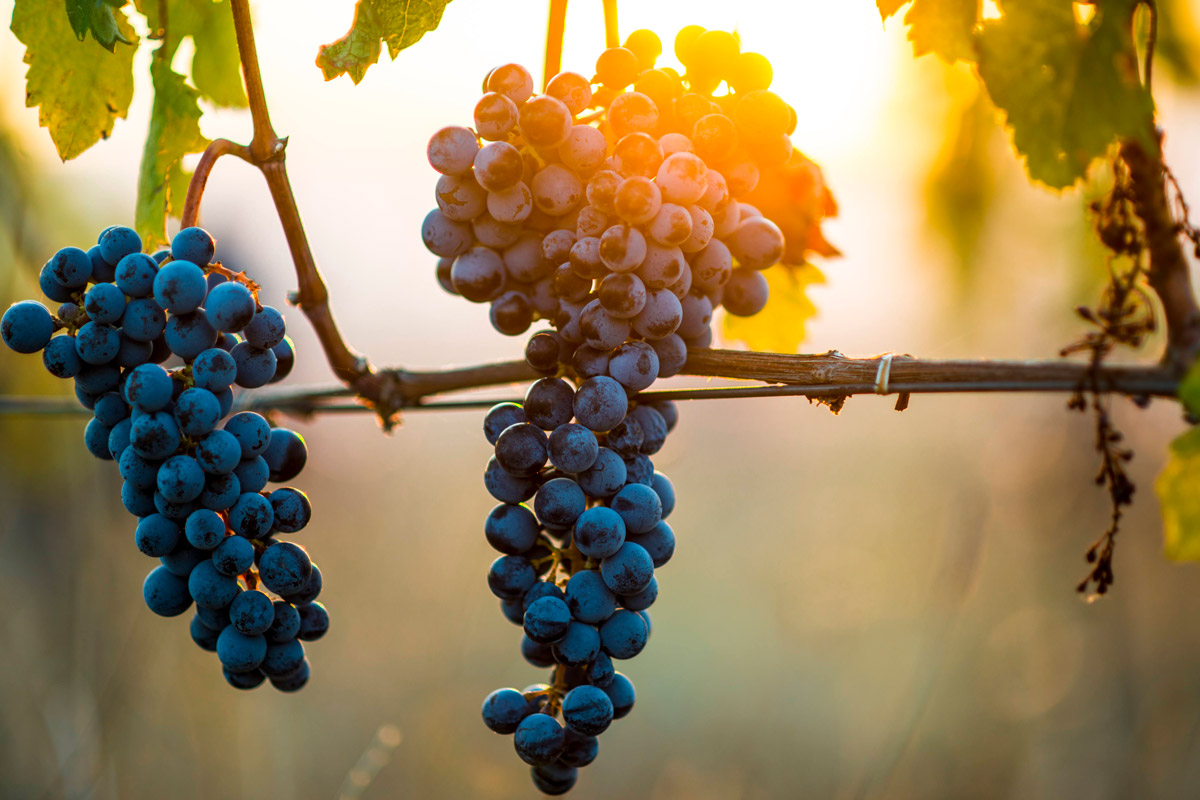
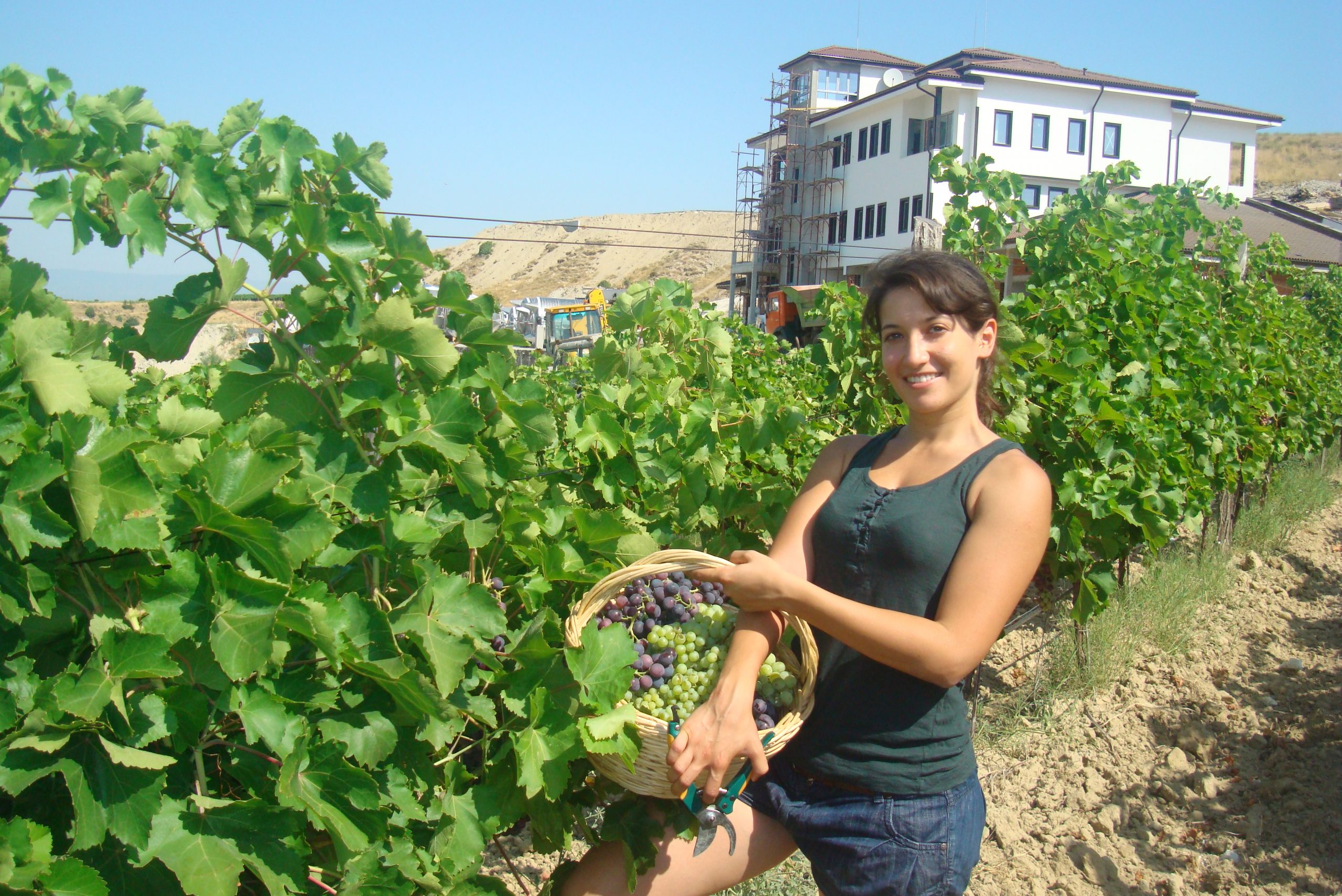
With the help of Bulgarian viticulture experts and agronomists, we carefully selected and planted our first vines in 2004: Broad-leaved Melnik Vine, Early Melnik Vine (Melnik 55), Ruen, Cabernet Sauvignon, Merlot, Syrah, Pinot Noir, Sangiovese, as well as one of the oldest Thracian varieties – Mavrud. So far, we are the only producer in Melnik region who has planted Mavrud.
From the local white grape varieties, we grow Tamyanka, Keratsuda, and Sandanski Misket, and from the international ones, Chardonnay, Sauvignon Blanc, and Viognier.
THE TERROIR
The natural and climatic conditions in the Melnik region are some of the most favourable for wine production in Bulgaria. This is the warmest and sunniest part of the country. The climate is Mediterranean with a vegetative period of 224 days, average temperature sum of 4385 C°, and absolutely no sources of pollution.
Our vineyards are situated on a hill with south exposition. Our vineyards are exposed to a light breeze, which comes down the slopes of the surrounding mountains Pirin, Belasitsa, and Slavyanka and does not allow mists or humidity to linger above the vines.
The terroir is characterized by sandy soils, which allow water to seep through, as well as limestone and volcanic deposits from the nearby extinct volcano Kozhuh. We do not treat our vineyards with any pesticides and do not use any damaging practises that may create pollution or in any way harm our grapes or the people who enjoy our wines.
Green practices and sustainable wine tourism at Villa Melnik
The wine business is built for generations ahead, especially in a family-owned boutique winery like Villa Melnik. That is why the idea of sustainable development is an inseparable part of the Zikatanovi family’s philosophy.
Great wine is made from great, healthy grapes. The vineyards of Villa Melnik are located near the villages of Harsovo and Vinogradi, in a region with pristine nature, free from heavy industry and sources of pollution. We practice sustainable viticulture, using minimal amounts of plant protection products and encouraging biodiversity in the vineyards.
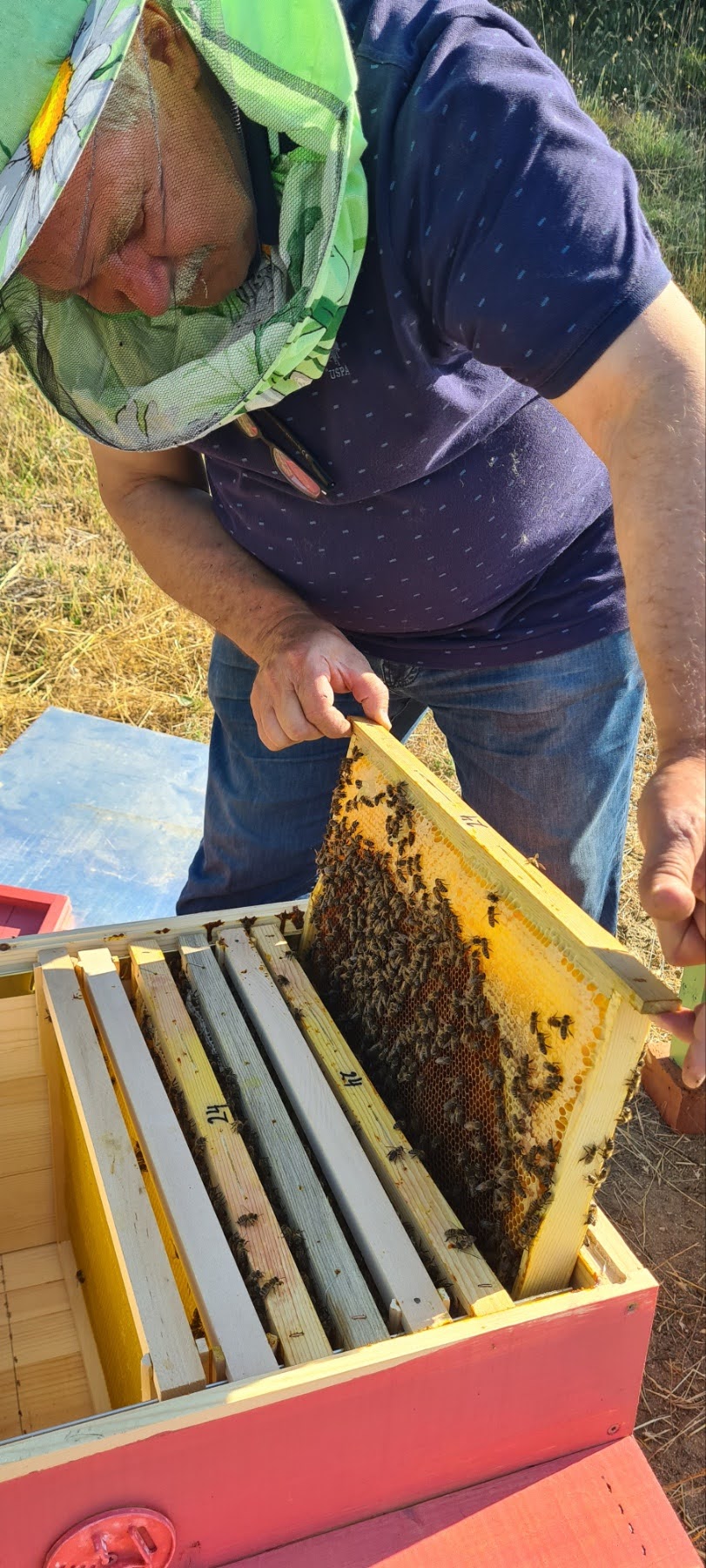
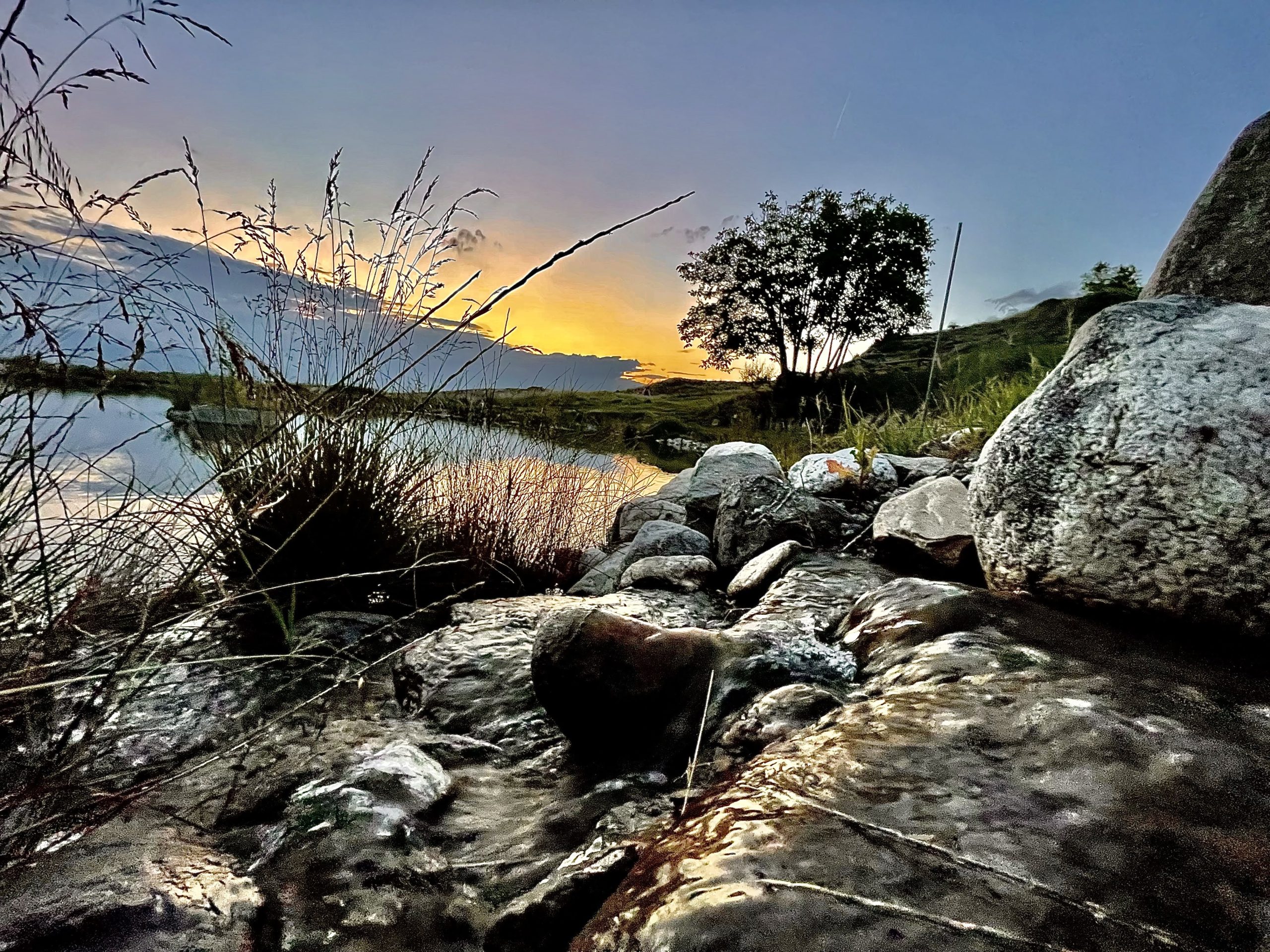
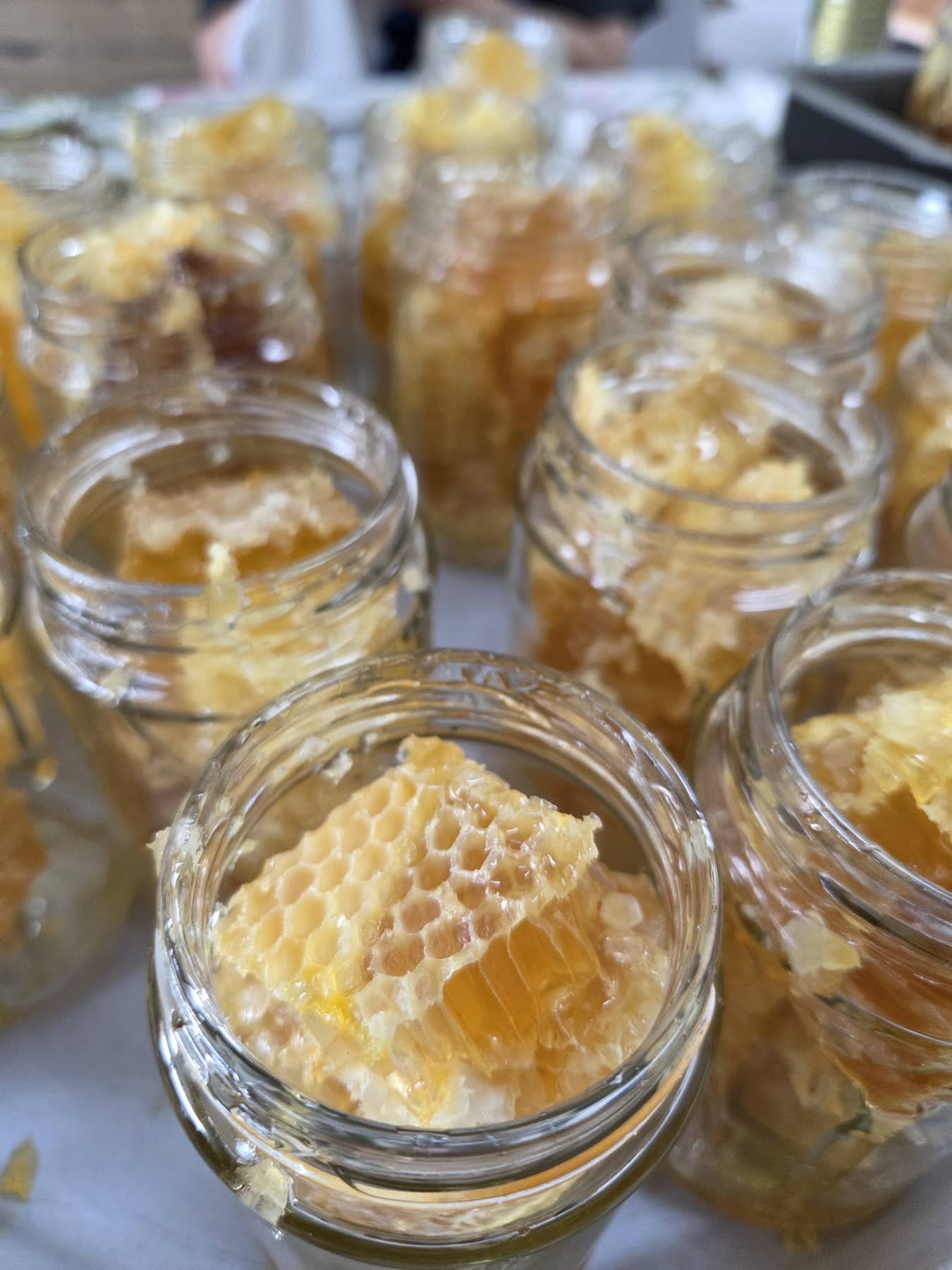
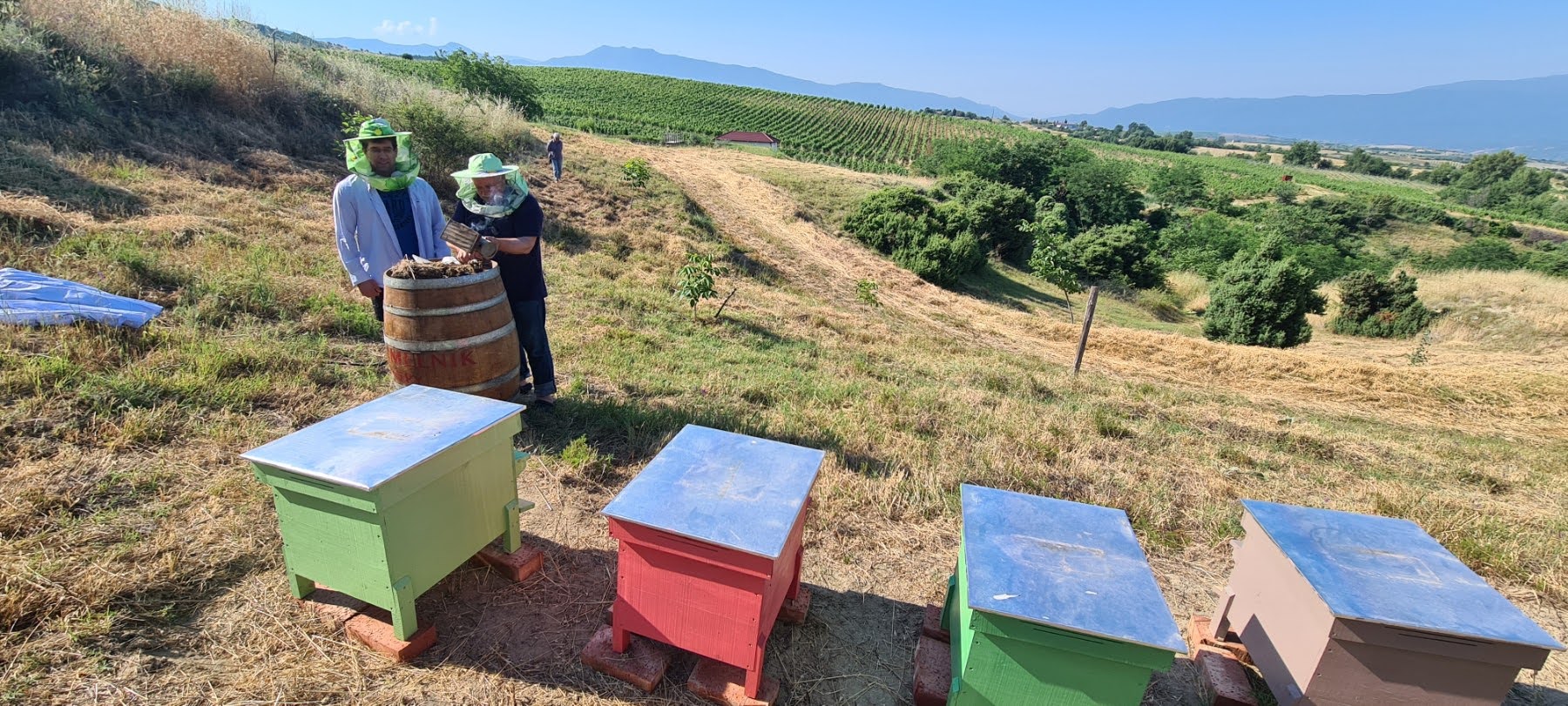
Our gardens are rich with life. We take care of 12 beehives that help pollinate our vines and fruit trees and provide us with excellent honey. In the vineyards, you can spot tortoises, rabbits, and foxes. Our little lake is home to fish and water turtles. We also grow pomegranates, figs, persimmons, jujube, peaches, sour cherries, olives, pistachios, and almonds.
The varietal composition of the vineyards is an important element in the sustainable development of viticulture and winemaking enterprises. More than half of Villa Melnik’s vineyards are planted with indigenous grape varieties from the Shiroka Melnik Vine family and its crossings.
These varieties have been specifically developed for the Melnik region and are best adapted to its unique climate and soil. Local grapes are proven to be more resistant to drought and disease than imported ones.
Villa Melnik also revives traditional methods of vine growing and winemaking. A great example is our Shiroka Melnik vineyard, which we cultivate in the traditional bush vine (goblet) style – low to the ground.
From the traditional winemaking techniques, we have successfully adopted the method of making orange wine (wine from white grapes that ferments and macerates with the skins like red wine), as well as dessert wines from late harvest and drying, where the grapes begin to turn into raisins and their flavors, aromas, and sweetness concentrate naturally.

Green Practices in Production
The winery is built on three levels so that grapes, must, and wine flow “downward” through the production process by the force of gravity, without the use of pumps and unnecessary energy consumption.
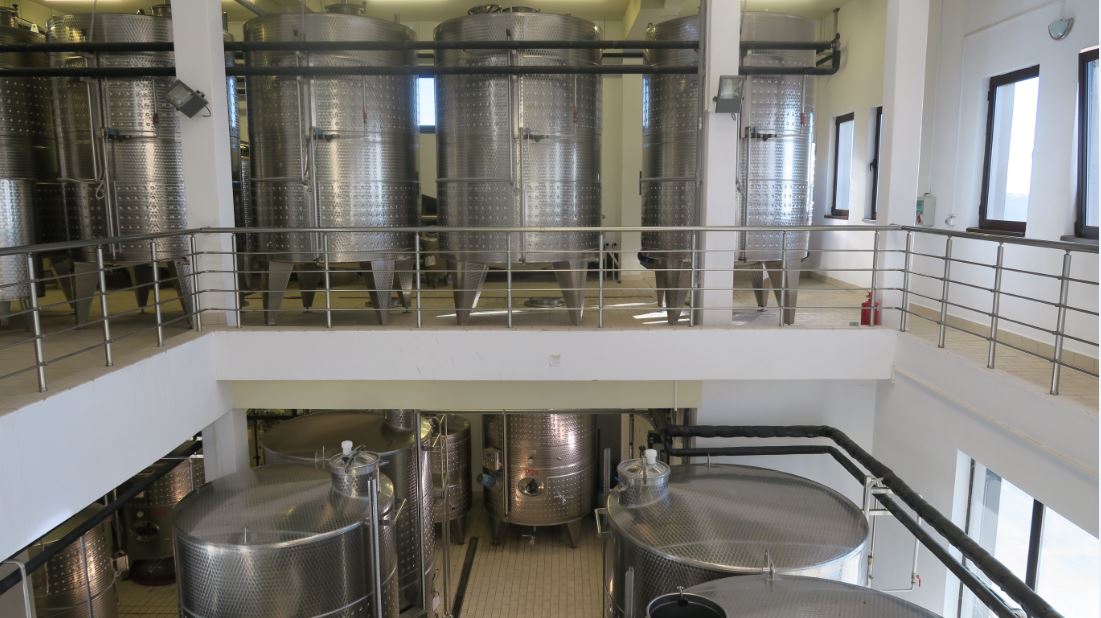
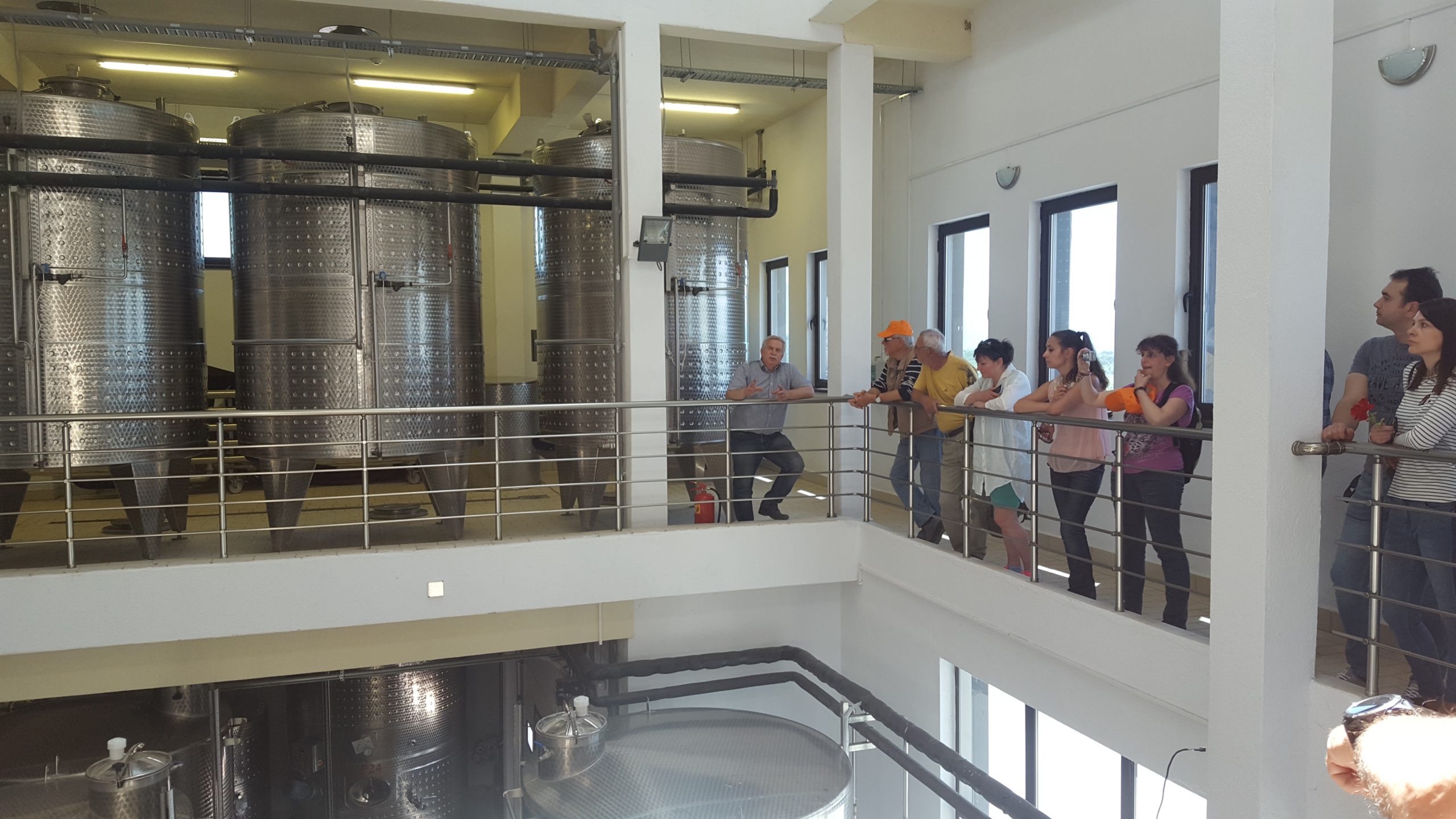
This method is not only energy-efficient but also extremely gentle on the wine – it does not stress or roughen it.
The winery uses energy-saving lighting fixtures, and all household and industrial waste is collected separately for composting or recycling.
The water from the production process is purified and used to feed the decorative lake in front of the winery, which is full of fish and surrounded by rich vegetation, an olive grove, and fruit trees. In this way, the water resource is recycled and reused.
The leftover grape material – stems and pomace – is composted and turned into feed for animals or natural fertilizer for the vineyards and gardens around the winery. This closes the production cycle.
A large part of the bottles are lightweight, as they have a smaller carbon footprint – they are made from less glass and are lighter to transport.
During tastings and events, Villa Melnik strives to avoid using disposable cutlery or plastic bottles.
In 2025, Villa Melnik installed solar panels to produce energy in a green way. In 2024, drip irrigation was implemented, allowing precise watering through specialized software to optimize the use of water resources.
Sustainable Wine Tourism and ESG Policies
Villa Melnik is one of the leaders in developing the Melnik region as a destination for sustainable wine tourism. The winery is open to visitors 365 days a year, welcoming guests from all over the world for tours and tastings – with or without reservations.
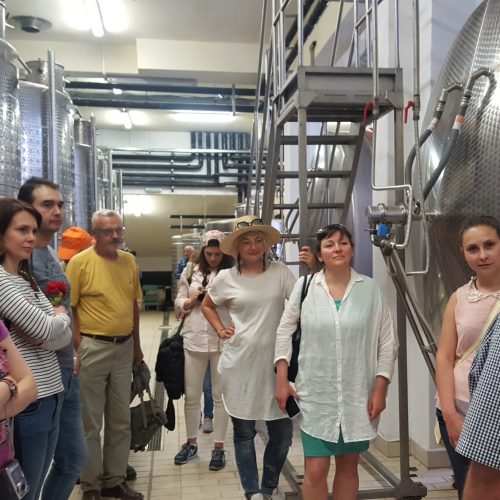
Experienced and friendly tour guides lead guests through the vineyards, the modern production facilities, and the underground sandstone tunnel cellars. They share stories about local viticultural and winemaking traditions and practices. During the tasting, Villa Melnik’s wines are paired with regional delicacies.
Professional tastings are periodically organized for hoteliers and restaurateurs in the region, for whom it is important to know the local grape varieties and offer local wines to their guests. Partnerships with regional businesses (local hotels, restaurants, catering companies, farms) contribute to the development of the local economy and support the growth of the wine tourism destination.
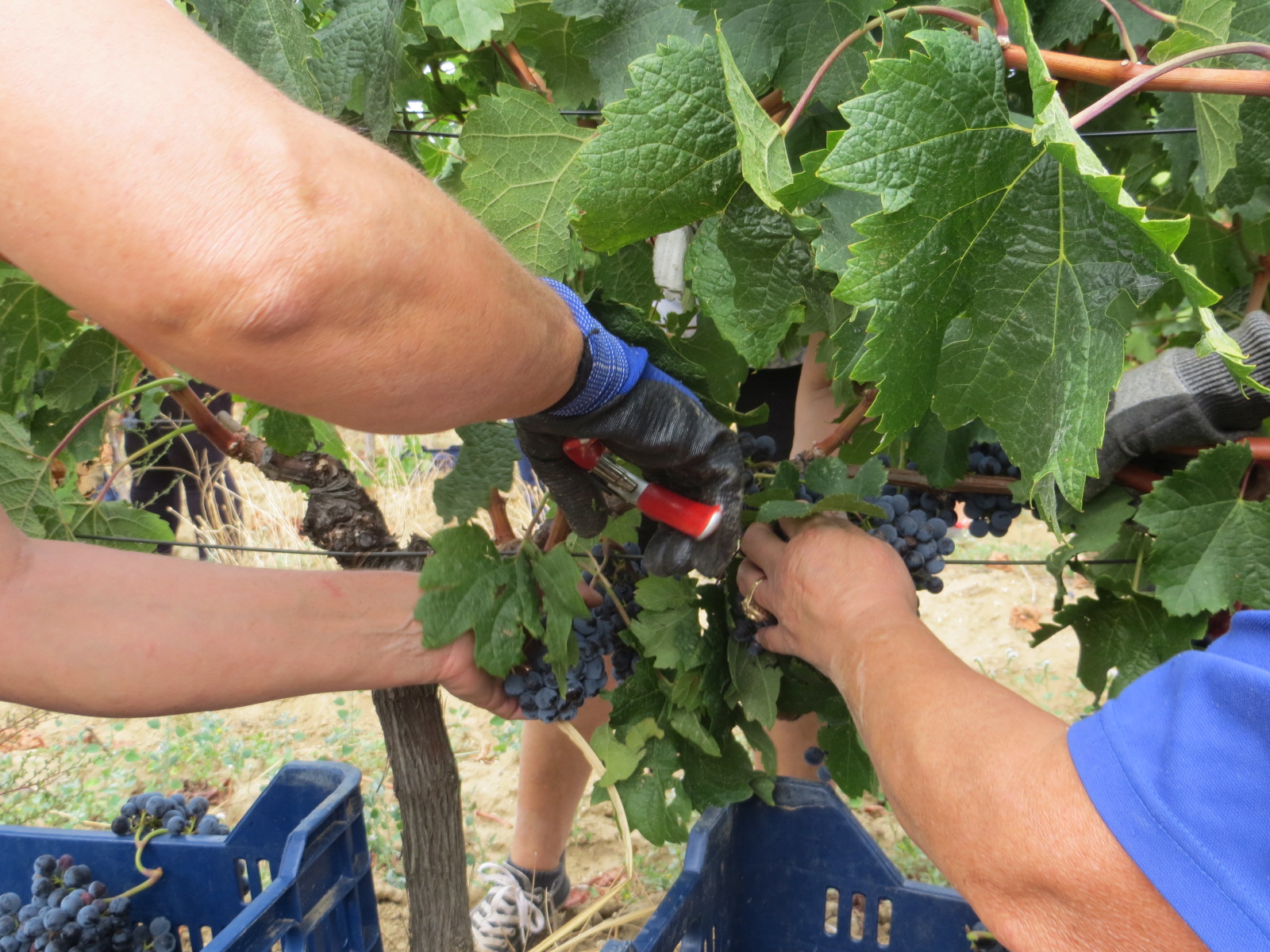
Several times a year, Villa Melnik hosts events and festivals — including the pruning ritual on the occasion of Trifon Zarezan, a spring and wine celebration for Lazarovden, a musical concert and tent camp on the hill above the vineyards for July Morning, the grape harvest festival, and various events related to arts and crafts.
The focus is on local culture, local farm products, and local music and dance artists. In this way, Villa Melnik becomes a center of wine and cultural events for its community and attracts visitors from all over the country.