
News
The Renaissance of Rosé: Myths, Styles, and the Art of Blending

Rosé has traveled a long and fascinating path through wine history. Decades ago, it reached the peak of popularity, only to be followed by a period of being undeservedly overlooked.
Today, however, we are witnessing its true renaissance. From trendy bars in New York and London to intimate dinner parties, rosé is making a comeback—more complex, more elegant, and more sought-after than ever.
The Myth: How Rosé Gets Its Color
One of the most common misconceptions is that rosé is made by mixing white and red wine.
In reality, rosé is the product of a “delicate dance” between the juice of red grapes and their skins. With very few exceptions, almost all wine grape varieties have clear juice. A wine’s color comes from the grape skins, which contain the coloring pigments (anthocyanins). When the grapes are crushed, the juice is left in contact with the skins for a short period—ranging from a few hours to a single day. This process is called maceration. We manage this step with extreme precision depending on the desired outcome: if the contact time is too short, the wine will be almost white; if it is too long, it will turn into a red wine.
Global Styles: From Ethereal to Bold
A rosé’s style is primarily driven by the production technique and the enologist’s vision, followed closely by the grape variety and terroir. Here are the main categories:
- Provence Style: The benchmark for modern rosé. These wines feature a pale salmon color, are bone-dry, and offer delicate aromatic notes of citrus and flowers. They are the epitome of elegance, delicacy, and grace.
- Mediterranean Style: Typical of Southern France, Spain, and Italy. Here, the colors are more intense—like coral or watermelon—while the aromas burst with forest berries, raspberries, and sour cherries. They have a medium-to-full body and are excellent food companions.
- “Claret” Style: These are the deepest rosés, boasting a near-ruby color and light tannins. They are “gastronomic” wines capable of pairing even with heavier meat dishes. Historically, this style originates from the Bordeaux region.
- The “Saignée” Method: This technique involves “bleeding off” (draining) juice for rosé from a vat of red grapes that has already begun maceration. The remaining juice in the vat becomes a more concentrated red wine, making the rosé a premium co-product.
- Sweet and Semi-Dry Rosés: Popularized by the New World, these wines have residual sugar that balances the acidity, making them approachable and easy-drinking for beginners.
- Aged Rosés: Though rare, some rosés are aged in oak barrels. A prime example of this can be found in the Tavel appellation of the Rhône Valley.
Why Blend Varieties? The Art of the Cuvée
Wine is like a perfume—each grape variety adds its own unique note to the overall composition. Blending (creating a cuvée) allows us to achieve a harmony and balance that is rarely found in single-varietal wines.
We have poured three distinct philosophies into our own trio of rosés:
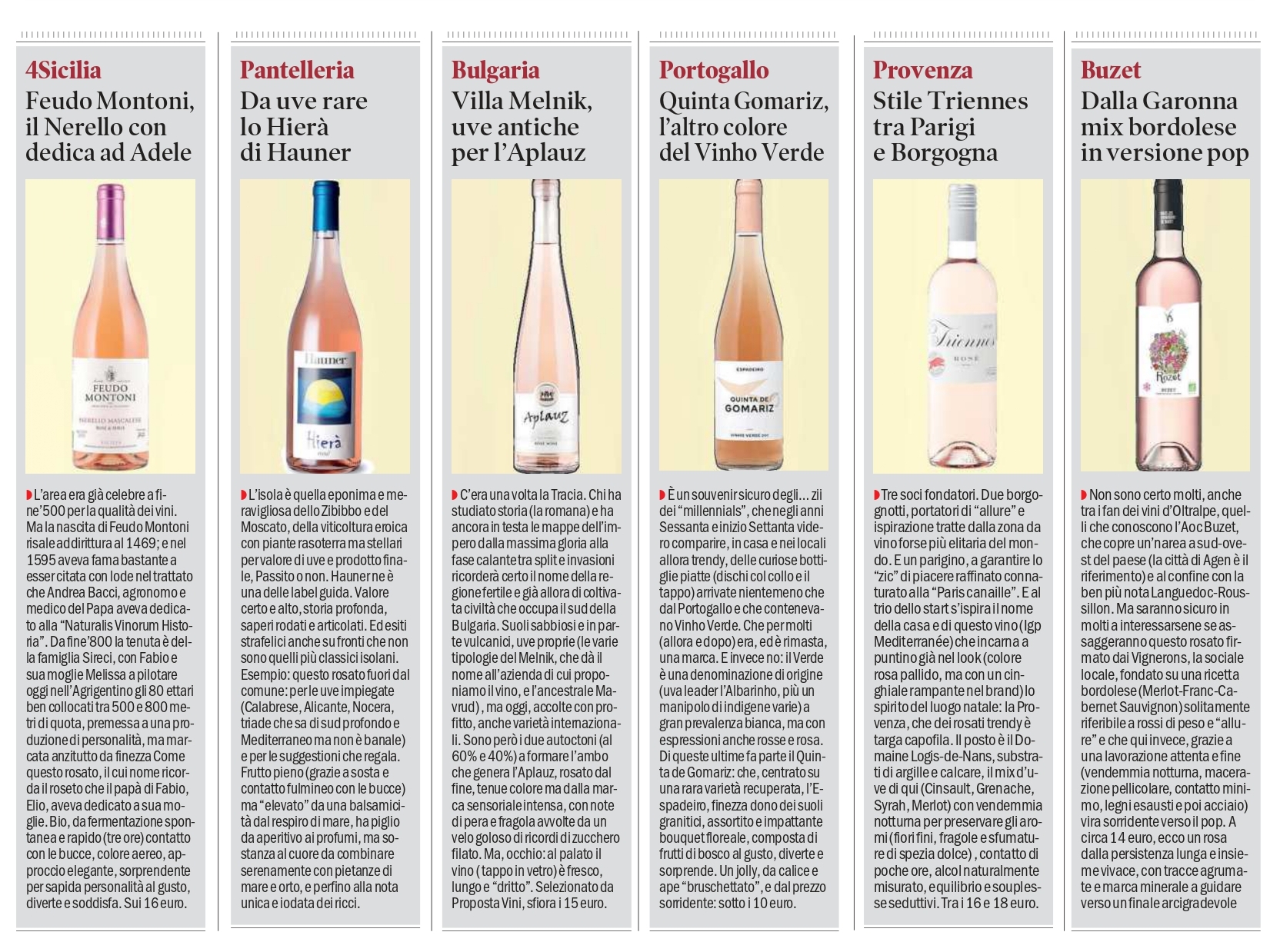
- Aplauz Rosé (Mavrud & Melnik): Crafted in the classic Provence style. Both varieties are symbols of tradition and heritage in Bulgarian winemaking. The wine charms at first sight with an elegant pale pink color and a delicate brilliance. The bouquet unfolds with fresh notes of strawberry, beautifully complemented by floral and herbal accents with a mineral finish.
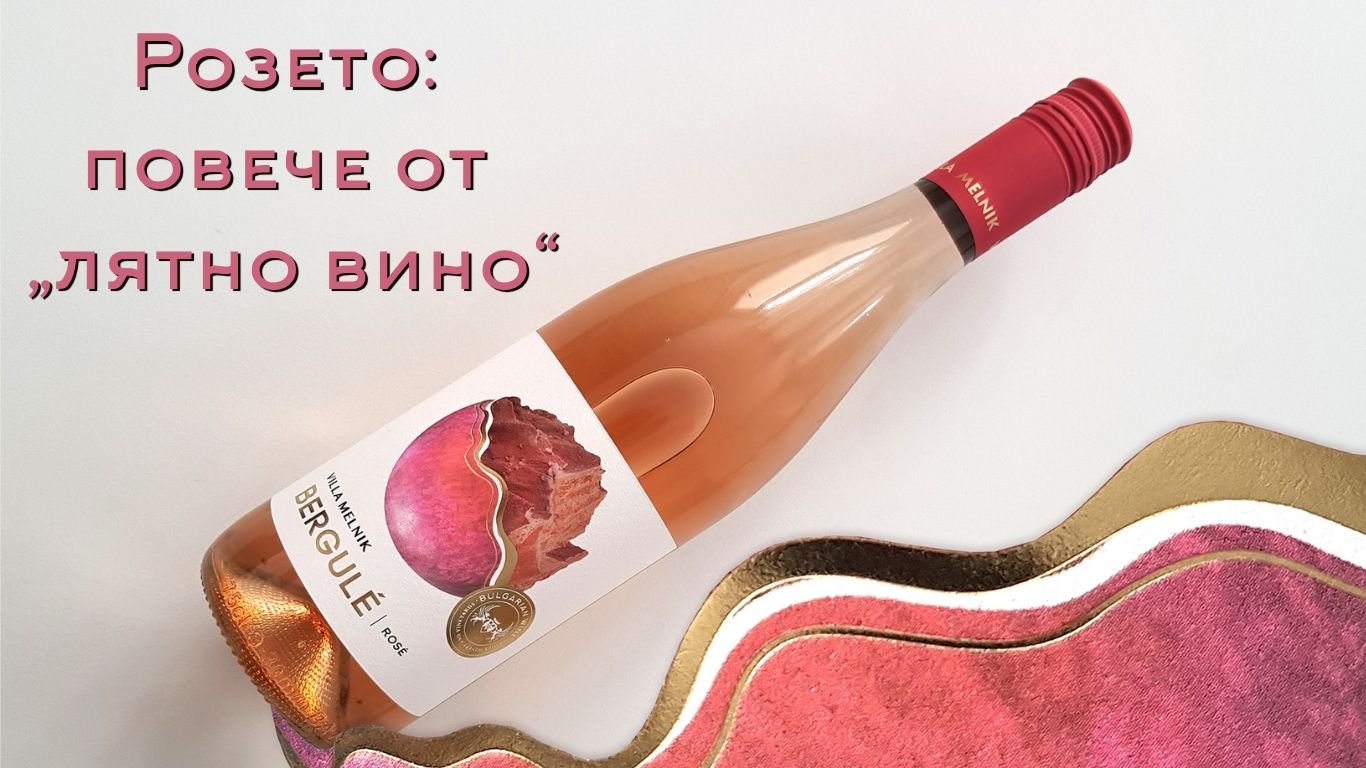
- Bergulé Rosé (Shiroka Melnik, Cabernet Sauvignon, Merlot & Syrah): A rich and complex blend. Here, the indigenous Shiroka Melnik grape provides authenticity, the international varieties bring lush fruitiness, and the Syrah adds a fine touch of spiciness on the finish.
- Family Tradition (Cabernet Sauvignon & Merlot): A rosé with character, focusing on the juiciness and softness of classic varieties, making it perfect for any occasion.
How to Enjoy It to the Fullest
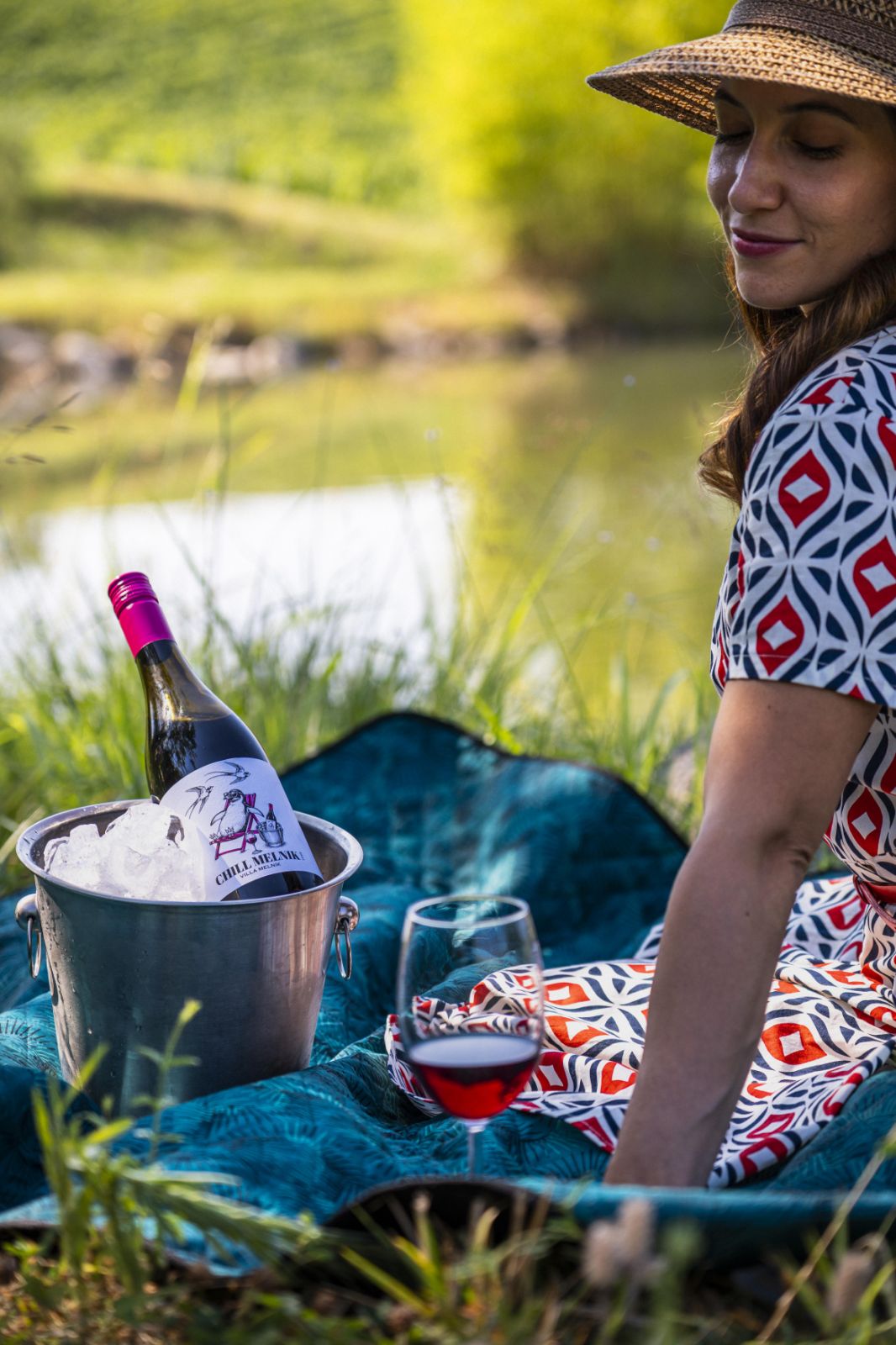
To allow a rosé to reveal its full potential, the serving temperature is key. The ideal range is 8°C – 10°C. If the wine is ice-cold, its delicate aromas will remain “locked.” If it is too warm, the alcohol will dominate over its fruity character.
Use white wine glasses with a slightly tapered rim—this helps concentrate the subtle floral and fruit aromas. And remember: ice belongs in the ice bucket, never in the glass, so you don’t dilute the hard work of the grape grower and the winemaker!
Furthermore, rosé is among the most versatile food-pairing wines. Classic matches include seafood and fish—mussels, grilled shrimp, sea bream, and grilled sea bass.
Other traditional Mediterranean pairings include ratatouille (an eggplant, zucchini, and tomato stew), green salads with olives and tuna, or a classic tomato salad with mozzarella, basil, and pesto. It also pairs wonderfully with various appetizers like bruschetta, goat cheese, or fresh cheeses. If you enjoy exotic flavors, try it with sushi or mildly spicy Asian cuisine. For a more traditional Bulgarian twist, pair it with roasted peppers with garlic and dill, light charcuterie like prosciutto, or local delicacies such as Elena fillet and Elenski but (cured ham).
Time for Rosé!
You don’t need a special season or occasion to enjoy a glass of good rosé. It is a symbol of shared moments and the art of appreciating the beautiful things in life. Whether you prefer the pale finesse of Aplauz or the juicy complexity of Bergulé, rosé is always the right choice.
Explore our selection of authentic Melnik rosés in our online store and find your new favorite: ONLINE STORE.